
Mark Huey of Outreach Israel Ministries delivers the following message on the Torah portion for this week: Naso or “Take”
Addressing the Theological and Spiritual Issues of the Broad Messianic Movement
Mark Huey of Outreach Israel Ministries delivers the following message on the Torah portion for this week: Naso or “Take”
J.K. McKee of Messianic Apologetics discusses how the question of our future is strongly pressing against the present Messianic generation. But, in order to understand our future, we have to first understand our past and our present.

Mark and Margaret Huey, and John McKee discuss the prophesied apostasy of 2 Thessalonians 2:1-4. What factors may be seen to accelerate the anticipated abandonment of the faith?
Mark Huey of Outreach Israel Ministries delivers the following message on the Torah portion for this week: Bamidbar or “In the Wilderness”
J.K. McKee of Messianic Apologetics discusses some of the factors and controversies as they concern the Hebrew names of the Father and Son.
J.K. McKee of Messianic Apologetics addresses the question, “What do egalitarians frequently mean by emphasizing ‘mutual submission’?” Ephesians 5:21-33 is reviewed from a mutualist perspective.
Mark Huey of Outreach Israel Ministries delivers the following message on the Torah portion for this week: B’chuqotai or “By My Regulations”
Mark Huey of Outreach Israel Ministries delivers the following message on the Torah portion for this week: B’har or “On the mount”
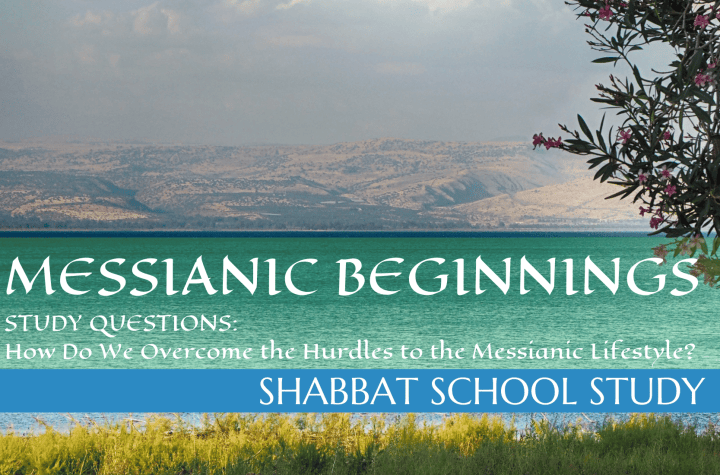
J.K. McKee of Messianic Apologetics goes through the study questions for Ch 7 in the Messianic Beginnings workbook:
1. List some differences that you have observed between being “Christian” and being “Messianic.”
2. Why do you think many Christians oppose the Torah obedience of Messianics?
3. After being saved, do you think that we should all retain the faith of a child? Explain what it means to “abide” in the Lord.
4. Do you know people who give reasons for not following the Torah? What do they say?
5. What is the key difference between Messianics and Christians relating to Yeshua and the Torah?

David Wilber speaks to author and theologian, J. K. McKee, about some of the criticisms they’ve received from blogger Pete Rambo on the topic of biblical egalitarianism.