
John McKee delivers the September 2025 Outreach Israel News update. How much do today’s Messianic people really know about the Pastoral Epistles of 1&2 Timothy and Titus?
Addressing the Theological and Spiritual Issues of the Broad Messianic Movement
John McKee delivers the September 2025 Outreach Israel News update. How much do today’s Messianic people really know about the Pastoral Epistles of 1&2 Timothy and Titus?
Messianic Apologetics editor John McKee reviews Titus 2:13-14, where some significant labels regarding Ancient Israel and its vocation were applied to non-Jewish Messiah followers.
This is then followed by a review of important stories and issues from the past day or so, largely witnessed on social media.

Messianic Apologetics editor John McKee discusses how Titus 1:14 can be easily misunderstood and misapplied, in our growing time of anti-Semitism and anti-Judaism.
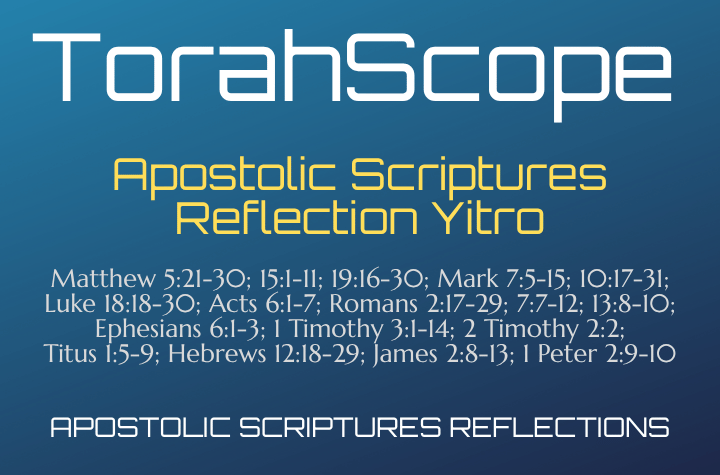
Mark Huey of Outreach Israel Ministries delivers the following Apostolic Scriptures Reflection for Yitro: Matthew 5:21-30; 15:1-11; 19:16-30; Mark 7:5-15; 10:17-31; Luke 18:18-30; Acts 6:1-7; Romans 2:17-29; 7:7-12; 13:8-10; Ephesians 6:1-3; 1 Timothy 3:1-14; 2 Timothy 2:2; Titus 1:5-9; Hebrews 12:18-29; James 2:8-13; 1 Peter 2:9-10
J.K. McKee of Messianic Apologetics reviews Titus 3:9, and whether or not it lends support to the idea that the Torah or Law of Moses has been abolished for the post-resurrection era.
J.K. McKee of Messianic Apologetics reviews Titus 3:5 & 7, and whether or not it lends support to the idea that the Torah or Law of Moses has been abolished for the post-resurrection era.
J.K. McKee of Messianic Apologetics will be reviewing important passages from 2 Timothy and Titus.
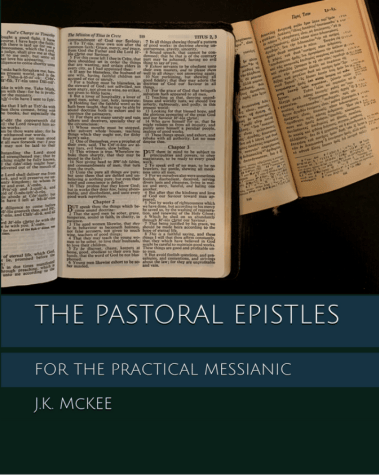
The Pastoral Epistles for the Practical Messianic takes into consideration much of what has been offered in recent years, not only in terms of the ancient setting of 1&2 Timothy and Titus, but also with how these epistles should be accurately applied in a modern setting. Messianic Apologetics editor J.K. McKee helps to probe these letters for the future development of the Messianic movement, weighing some of our strengths and weaknesses. What are the things we have actually interpreted correctly from the Pastoral Epistles, and what needs to be improved upon? How might some Messianic congregations and fellowships change if we took a good, hard look at 1&2 Timothy and Titus, and implemented some necessary reform? How can we truly be all of the things we can be in the Lord? This significant commentary asks these, and many more pertinent questions.