J.K. McKee of Messianic Apologetics reviews Galatians 2:16, and whether or not it lends support to the idea that the Torah or Law of Moses has been abolished for the post-resurrection era.
Addressing the Theological and Spiritual Issues of the Broad Messianic Movement
J.K. McKee of Messianic Apologetics reviews Galatians 2:16, and whether or not it lends support to the idea that the Torah or Law of Moses has been abolished for the post-resurrection era.
J.K. McKee, theologian, author, and editor of Messianic Apologetics, joins us to talk about his testimony, the validity of the Torah, what the phrase “Under the Law” means in Scripture, the New Covenant, and the Book of Galatians.
J.K. McKee of Messianic Apologetics discusses how the term “Judaizer” is theologically and socially loaded—but how the Scriptures themselves might actually present something different than what is commonly considered.

J.K. McKee of Messianic Apologetics reviews Paul’s confrontation of Peter in Antioch in Galatians 2:11-14. How are today’s Messianic people to properly approach this controversial scene?

J.K. McKee of Messianic Apologetics reviews the meeting between Paul and the Jerusalem leaders in Galatians 2:1-10. Were Paul and Jerusalem at odds? Or does this scene represent early tensions involving the spread of the good news among the nations?
J.K. McKee of Messianic Apologetics will be reviewing important passages from 2 Corinthians.

How can today’s Messianic movement believe that the Law of Moses still has some part to play, when Galatians 3:24 is clear that the Law was only in effect “until Christ came”?
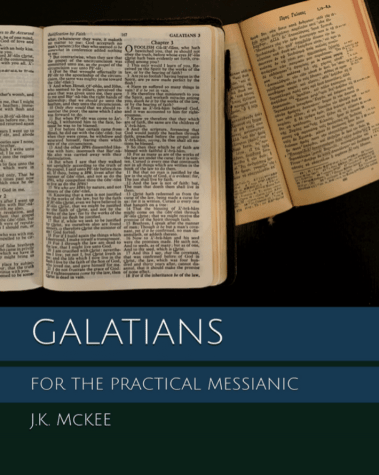
In the commentary Galatians for the Practical Messianic, Messianic Apologetics editor J.K. McKee takes a direct look at the issues of Paul’s letter, as he rebuked the Galatians for errors which had crept into their midst. Engaging with contemporary scholarship on Galatians, critical questions regarding common conclusions of Paul’s words are asked. Were Paul and Yeshua truly at odds when it came to the Torah? Were the Jerusalem leaders and Paul at constant odds with one another? How did Paul’s Pharisaical background and views affect the composition of this letter? What were the spiritual dynamics present in Galatia? What did the term “works of law” really mean? These are only a few of the questions considered.